
5.1 The character of Datchet was identified by the local community as a strong positive feature of the built environment and its surrounds. In short, people value how attractive Datchet is and want new development to fit in with this.
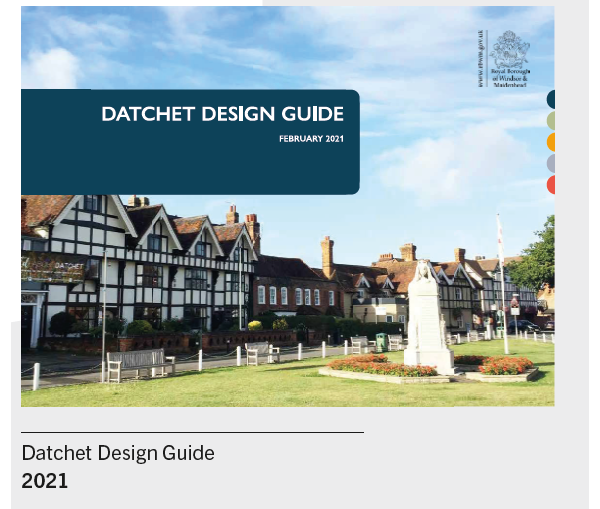
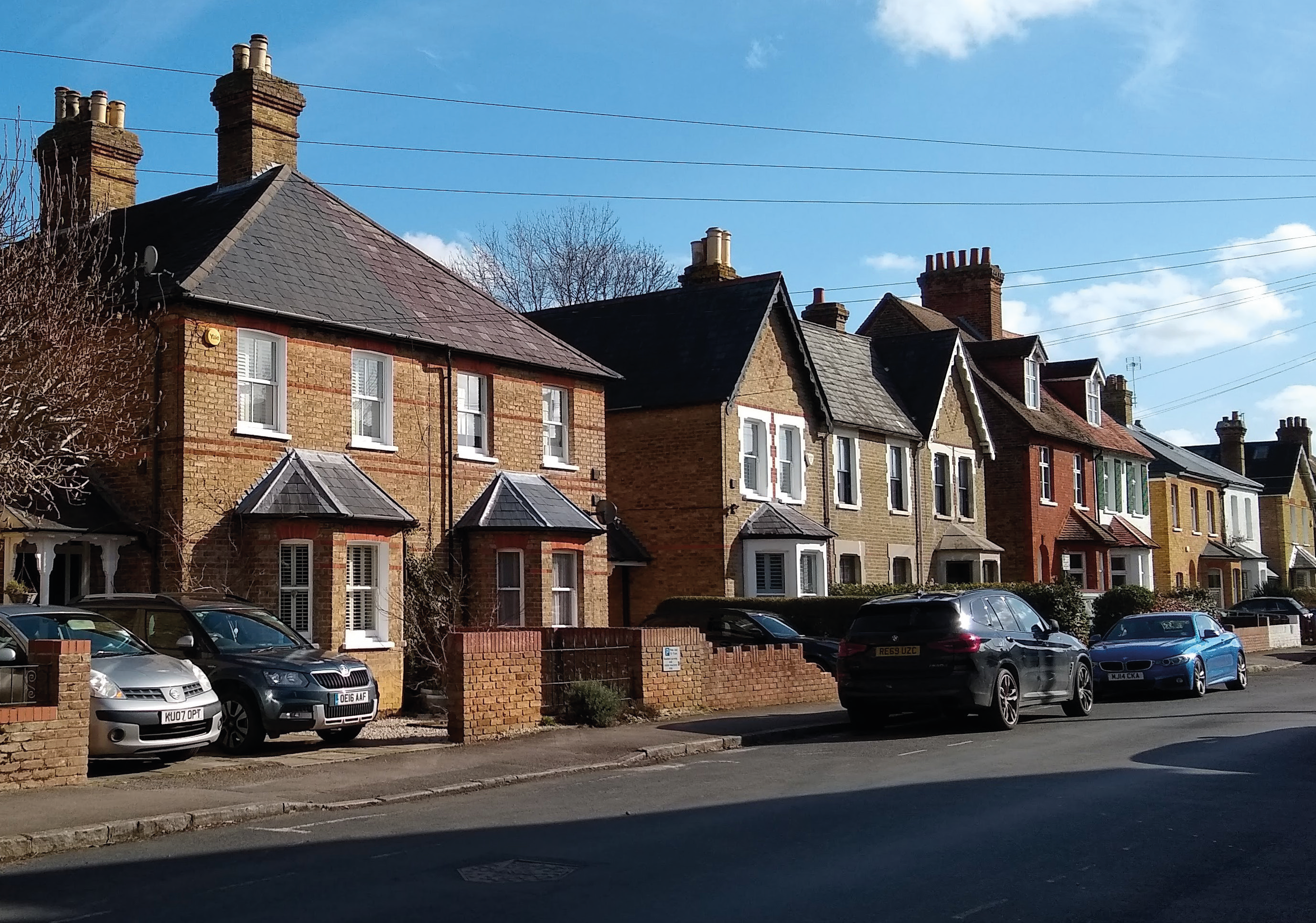
5.2 In order to articulate this, the Datchet Design Guide 202114 was prepared. This identified four main character areas - the historic core, river connections, Victorian suburbs and the approach routes to the village (see Figure 5.1). For each, it described its key features with the intention that development proposals respond to the positive and negative key features of the character area, utilise and/or augment the materials palette of the character area and integrate the architectural details and layout features identified in the character area.
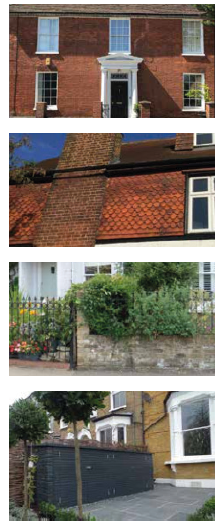
5.3 Separately, the Datchet Design Guide identifies specific design detailing which development proposals throughout Datchet are required to take account of. These details help to ensure that development contributes positively to the richness and variety of the built fabric and relate mainly to:
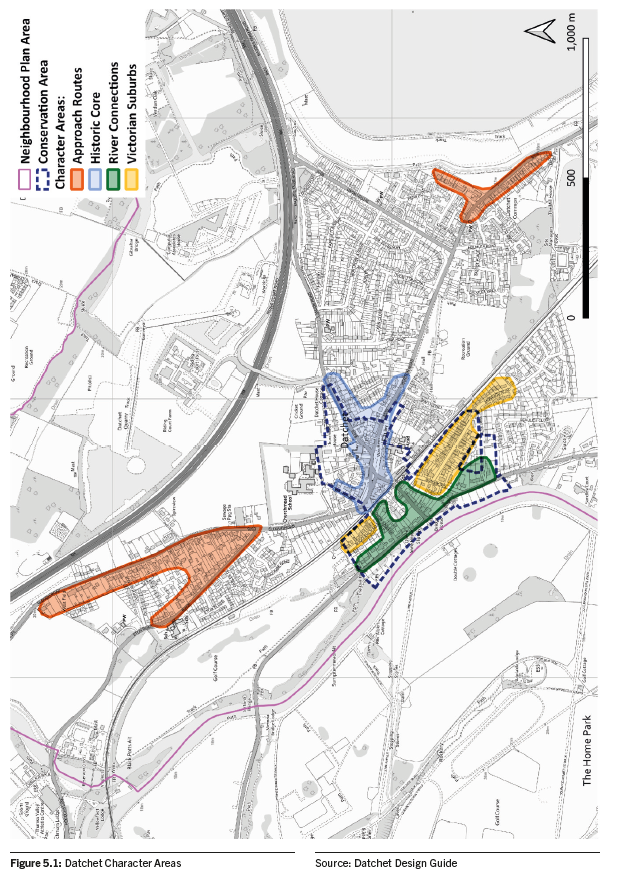
5.4 The character areas identified as the ‘Approach Routes’ (Figure 5.1) to the village are leafy and green, and the built‑up area of Datchet only becomes apparent when you actually reach it. Datchet used to be ‘hidden’ in its setting but these green perimeters are being depleted in some areas by new development. For example, developments in Slough Road and Mead Close are now visible from Eton Road where before there was a screen of trees. It is important that any new development in or affecting any of the approach routes does not eliminate this hidden setting. In this context it is important to be clear that all the approach routes into Datchet are considered to be leafy and green, not only those in the ‘Approach Routes’ Character Area.
POLICY DAT2: HIGH QUALITY DESIGN AND CHARACTER
A. Development must demonstrate high quality design and layout which respects the local character identified in the Datchet Design Guide 2021. Development proposals should:
B. Boundary treatments that front onto the street should generally seek to create an open feel and follow the prevailing pattern in the area. High boundary treatments may be appropriate where privacy is required or to mitigate pollution impacts but should use more natural features such as trees and hedges, reflecting the planting palette in the Datchet Design Guide.
Boundaries between properties should only be completely removed where this will enhance the character of the property frontages. Walled boundary treatments should consider the potential need to enable water to disperse quickly by providing openings in the wall.
C. Communal residential properties should provide private green space for the amenity of residents. The scale of such provision should be proportionate to the number of units being provided. Only where there is public green space immediately adjacent to the development will this not be required.
D. Proposals that would result in the loss of green space in front gardens for car parking should minimise the impact on surface water flooding by using permeable surfacing solutions and also minimise the impact on biodiversity by providing planting strips.
E. Development should demonstrate that it has maximised the potential to achieve net biodiversity gain on site through planting and use of a range of landscaping techniques. This should be informed by the planting palette in the Datchet Design Guide.
F. In order to provide the required levels of bicycle parking as set out in the Windsor and Maidenhead Parking Strategy (or successor document), residential development proposals which do not provide secure, off-street vehicle parking should demonstrate how they have provided for secure bicycle parking. This includes residential extensions where existing secure, off-street vehicle parking that also provides for bicycle storage would be lost.
G. Development should make sufficient provision for refuse and recycling bins to be stored in an unobtrusive location that is easily accessible to the street frontage.
H. Development proposals in or affecting approach routes into Datchet village should ensure that they do not reduce the green screening which hides the setting and is a key part of the character of Datchet.
5.5 One specific issue raised by the community was the attractiveness of some of the more traditional shopfronts in Datchet village centre. This was felt to be an important part of what makes the centre such an attractive place to shop and socialise.
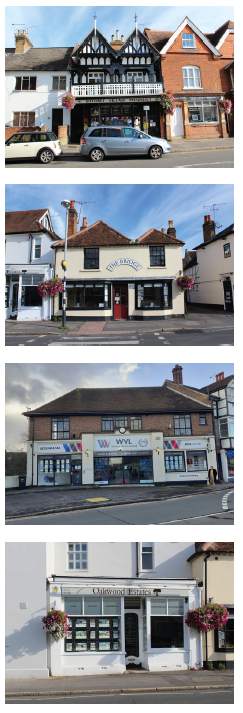
5.6 As a result, this issue was addressed through the guidance in the Datchet Design Guide which requires developments to demonstrate positive design in respect of the following matters:
POLICY DAT3: SHOPFRONT DESIGN
A. Proposals for new shopfronts must demonstrate high quality design which respects the features of high quality shopfronts identified in the Datchet Design Guide. In particular this relates to:
B. Original features such as recessed doorways, pilasters, plinths, cornices and fascias should be retained and repaired where damaged.
< Previous | ^ Top | Next >